How Debt Consolidation Loans Impact Your Credit Score in 2026: A Complete Guide for Borrowers with Bad Credit
How Debt Consolidation Loans Impact Your Credit Score in 2026: A Complete Guide for Borrowers with Bad Credit
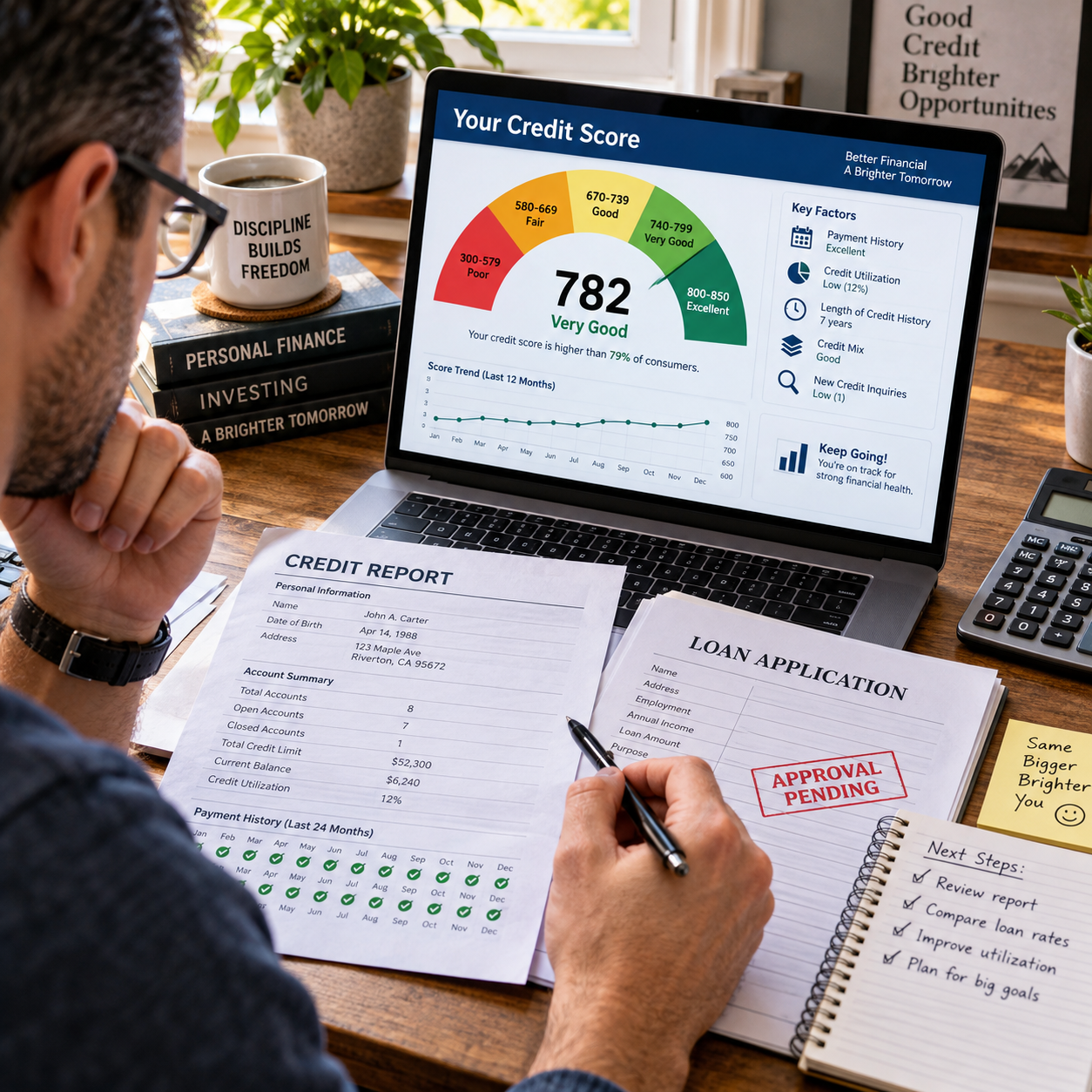
Picture this: you've got a credit card at 24% APR, a personal loan from a medical bill, and a store card you barely remember opening. Every month, you're juggling three or four due dates, and your credit score sits stubbornly in the low 600s or even below. You've heard that rolling everything into one debt consolidation loan might simplify your life — but will it tank your score even further, or could it actually be the move that turns things around?
This is exactly the dilemma millions of Americans with bad credit are facing heading into 2026. Interest rates remain elevated, credit card balances are at record highs, and lenders are more cautious than ever. Understanding how consolidation actually affects your credit — not the myths, but the real mechanics — can mean the difference between digging yourself deeper into a hole and building a genuine path back to financial health. In this guide, I'll walk through exactly how these loans work, what happens to your score in the short and long term, and how to avoid the mistakes that trip up so many borrowers.
What Is Debt Consolidation and How Does It Work?
At its core, debt consolidation means taking several existing debts — think credit cards, personal loans, medical bills — and combining them into a single new loan. Instead of making five payments to five creditors, you make one payment to one lender. The goal is usually to secure a lower overall interest rate, simplify your monthly budget, and create a clear payoff timeline.
For borrowers with bad credit in 2026, the options look a bit different than for someone with excellent credit. You're less likely to qualify for the lowest-rate unsecured personal loans that prime borrowers get. Instead, common paths include:
- Secured personal loans — backed by collateral like a vehicle, which can help you qualify despite a low score, often at a better rate than unsecured options.
- Credit union loans — many credit unions offer more flexible underwriting than big banks, especially if you're already a member with a history there.
- Balance transfer alternatives — while true 0% APR balance transfer cards are usually reserved for good credit, some issuers offer bad-credit-friendly cards with promotional rates for a limited window.
Debt Consolidation vs. Debt Settlement vs. Debt Management Plans
These three terms get lumped together constantly, but they're fundamentally different — and they affect your credit in very different ways.
Debt consolidation pays off your existing balances in full using a new loan. You still owe the full amount, just to one lender instead of many. Debt settlement, on the other hand, involves negotiating with creditors to pay less than what you owe, which typically involves missed payments and can cause significant, lasting credit damage. Debt management plans, usually run through nonprofit credit counseling agencies, don't involve a new loan at all — instead, a counselor negotiates lower interest rates while you continue paying off the original debts over time.
Consolidation is generally the least damaging of the three because your accounts get paid off as agreed, not settled for less or restructured through a third party. That distinction matters enormously when lenders and credit scoring models evaluate your file later.
How Debt Consolidation Loans Impact Your Credit Score
Your credit score is built from several ingredients: payment history, credit utilization, length of credit history, credit mix, and new credit inquiries. A consolidation loan touches nearly all of these — some negatively at first, others positively over time.
Short-Term Effects (First 30–90 Days)
When you apply for a consolidation loan, the lender typically runs a hard inquiry on your credit report. This can shave a few points off your score temporarily. Then, once the loan is opened and used to pay off your credit cards, your credit mix shifts — you now have a new installment account, and your average account age drops slightly since this is a brand-new line of credit. Some borrowers see a dip of 10–20 points in this window, which can feel alarming if you're already sitting on a bad-credit score.
Long-Term Effects (6+ Months)
Here's where the real payoff shows up. Once your credit cards are paid off through the consolidation loan, your credit utilization ratio — the percentage of available revolving credit you're using — often drops dramatically, since installment loans aren't factored into utilization the same way revolving balances are. Combined with a track record of consistent, on-time payments on the new loan, this can meaningfully improve your score over six to twelve months. A lower debt-to-income ratio also makes you a more attractive borrower for future credit needs, like an auto loan or mortgage.
Are Debt Consolidation Loans Bad for Your Credit? Debunking the Myth
This is the question I hear most often, and the honest answer is: it depends on you, not the loan itself. Consolidation loans aren't inherently bad for your credit — they're a tool. Used responsibly, they can lower your utilization, simplify payments, and reduce the chance of a missed payment slipping through the cracks. Used carelessly, they can add a new debt burden on top of old habits that never actually changed.
For borrowers with a rough credit history wondering whether are debt consolidation loans bad for your credit, it's worth digging into resources that break down the top loan options specifically tailored for bad-credit profiles. That kind of research shows how responsible use — paying on time, keeping old accounts open, avoiding new debt — can actually strengthen a credit file rather than damage it. The myth persists mostly because people notice the initial dip and stop paying attention before the long-term benefits kick in.
Common Mistakes That Hurt Your Credit After Consolidating
Even a well-structured consolidation plan can backfire if you fall into a few common traps:
- Closing paid-off credit cards immediately — this reduces your total available credit and can spike your utilization ratio, hurting your score even though you technically owe less overall.
- Missing payments on the new consolidation loan — payment history is the single biggest factor in your score, and a late payment here undoes much of the benefit.
- Taking on new debt after consolidating — racking up fresh credit card balances defeats the purpose and can leave you worse off than before.
- Applying with multiple lenders simultaneously — each application can trigger a separate hard inquiry, stacking up credit dings unnecessarily.
Best Practices to Protect and Improve Your Score
A little strategy goes a long way here. First, if you're comparing loan offers, try to shop within a 14–45 day window — most scoring models treat multiple inquiries for the same loan type within this period as a single inquiry, minimizing the hit. Keep your old credit lines open with zero balances rather than closing them; this preserves your available credit and average account age. Automate your consolidation loan payments so you never accidentally miss one. Check your credit reports monthly through free monitoring tools to catch errors or fraud early. And set a realistic payoff timeline you can actually stick to, rather than the shortest one that strains your budget.
How to Choose the Right Lender if You Have Bad Credit
Not all lenders treat bad-credit borrowers the same way. Look closely at the APR cap — some lenders offer rates that, while higher than prime borrowers get, are still meaningfully lower than credit card APRs. Watch for origination fees, which can eat into your savings. Decide whether a secured loan (using a car or savings account as collateral) makes sense for you, since it often unlocks better terms. Credit unions and online lenders that specifize in bad-credit consolidation tend to offer more flexible underwriting than traditional banks, so it's worth getting quotes from a few before committing.
Frequently Asked Questions
Will my score drop immediately after consolidating?
Yes, often by a small amount due to the hard inquiry and new account, but this is typically temporary.
How long until my score recovers?
Most borrowers see recovery and improvement within three to six months of consistent on-time payments.
Can I consolidate with a 500 credit score?
It's possible, though options are limited mostly to secured loans or specialized bad-credit lenders, often with higher rates.
Does paying off a consolidation loan early help my score?
It can help your debt-to-income ratio and reduce interest paid, though it won't necessarily boost your score more than steady on-time payments over the full term.
Conclusion
Debt consolidation loans aren't inherently good or bad for your credit — the outcome comes down to how you manage the loan afterward. A small short-term dip is normal and expected, but with disciplined payments, smart lender selection, and a commitment to not reopening old spending habits, borrowers with bad credit can genuinely use consolidation as a stepping stone toward a stronger, more stable credit profile in 2026 and beyond.